Earlier this year, Taiwan launched the next phase of its offshore wind development programme, with a new selection framework placing significantly greater emphasis on developers’ track record, financial strength and ability to execute projects successfully.
The Ministry of Economic Affairs (MOEA) announced the framework for its third-phase zonal development allocation in March 2026. The round will allocate 3.6 GW of offshore wind capacity, with successful projects targeted for completion and grid connection between 2030 and 2031. Applications opened on 1 April and will close on 30 September, with the selection process expected to conclude before the end of 2026.
For an offshore wind industry increasingly focused on turning ambitious pipelines into operational assets, the structure of the new round sends an important message: proven delivery matters.
A greater focus on capability
Under the new framework, prospective developers will be evaluated across three principal areas:
- Development track record – 35%
- Financial capability – 30%
- Project execution capability – 35%
Developers must achieve an overall score of at least 70 points to qualify for capacity allocation. ESG considerations also form part of the project execution assessment, accounting for 15% of the overall score and covering local industrial and economic benefits, environmental sustainability and corporate social responsibility.
The approach represents a shift towards assessing the wider capability of developers to successfully bring offshore wind projects through development and into operation.
Independent analysis from the Carbon Trust has similarly highlighted the importance of improving the financing environment for Taiwan’s offshore wind market and creating the conditions required to support successful project delivery.
Improving project bankability
The new framework also introduces measures intended to reduce development risk and support project financing.
While corporate power purchase agreements remain an important route to market, a minimum guaranteed purchase price of TWD 2.29/kWh has been introduced.
Projects can also qualify for an extension of their power sales period of up to five years through incentives linked to early completion and grid connection, local economic benefits and energy resilience. Successful developers may also be able to expand their allocated capacity by up to 50%, subject to the conditions of the programme.
The direction reflects a wider challenge facing offshore wind globally: ambitious development pipelines need to be supported by projects that are technically deliverable, financially viable and capable of progressing into construction.
Taiwan’s offshore wind market continues to scale
Taiwan has already established itself as one of the world’s leading offshore wind markets.
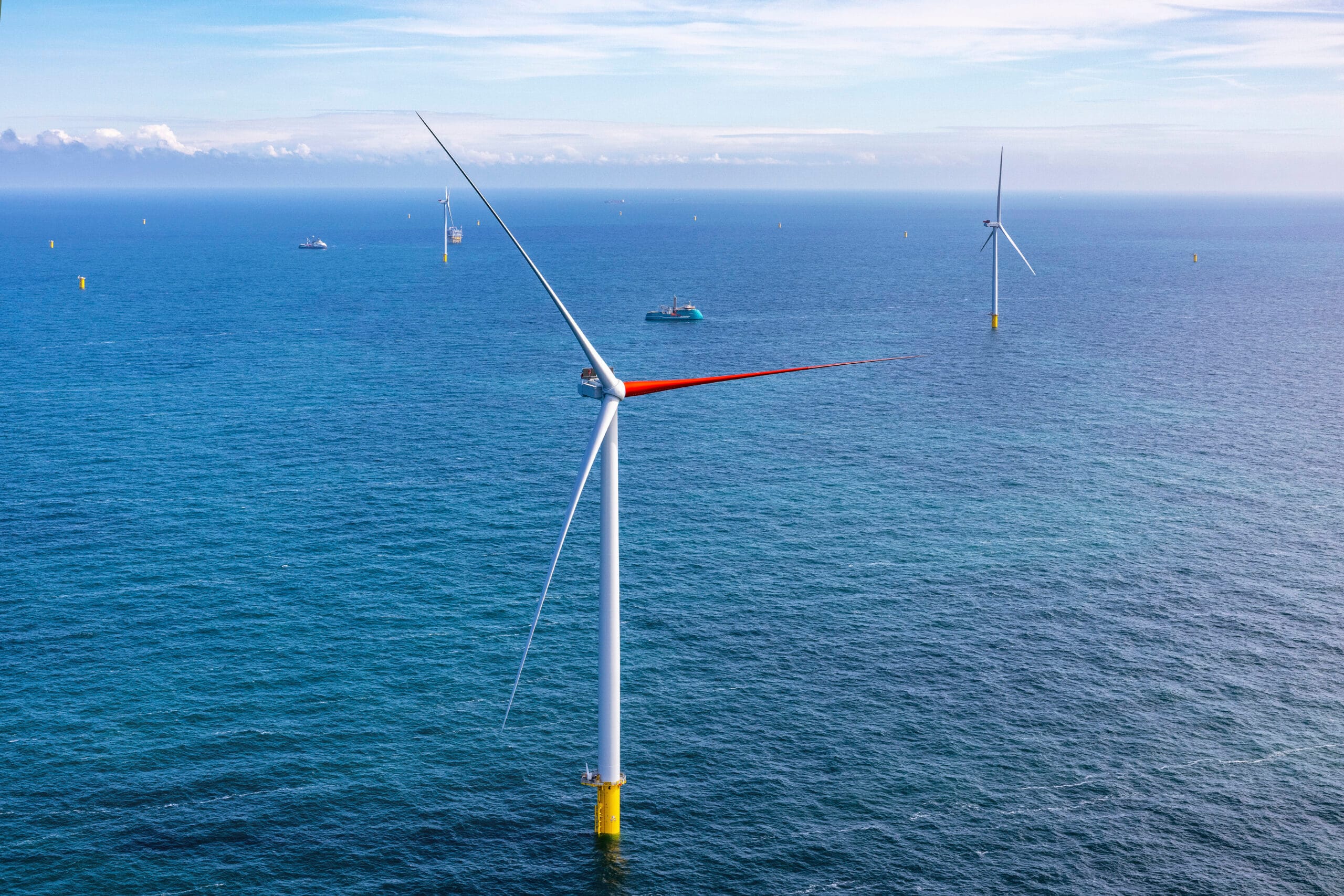
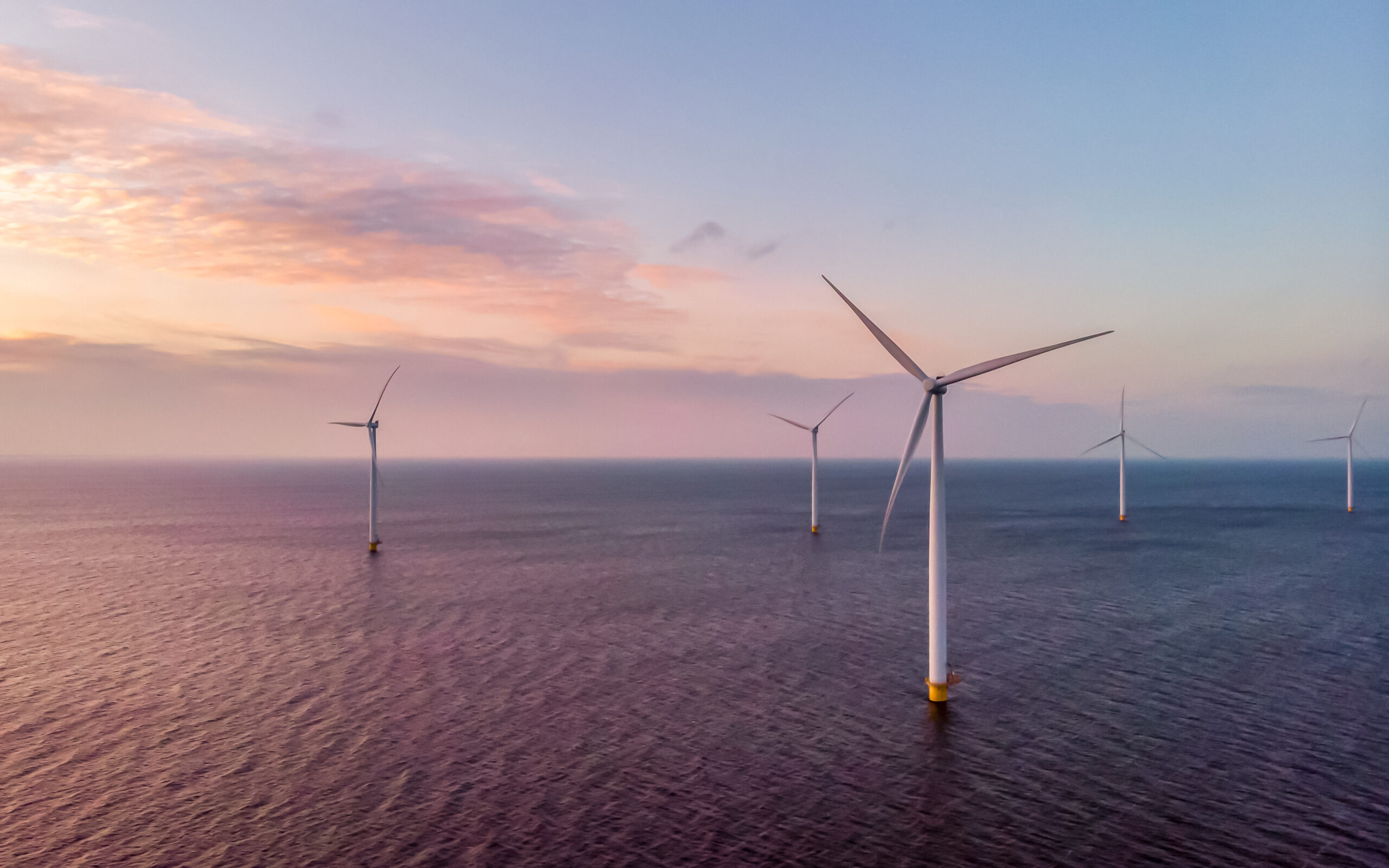
According to Taiwan’s Ministry of Economic Affairs, installed offshore wind capacity had reached 4.5 GW across 482 turbines by 26 March 2026, making Taiwan the world’s fifth-largest offshore wind market by installed capacity at that point.
The latest 3.6 GW allocation therefore represents another significant step in the market’s development.
As the industry moves into its next phase, however, the emphasis is increasingly shifting from ambition alone towards the capability required to deliver increasingly complex projects reliably.
That means bringing together strong development experience, robust engineering, resilient supply chains and technologies with proven offshore performance.
Experience across the offshore lifecycle
For Tekmar, the increased focus on execution and track record reflects principles that have underpinned our approach to offshore engineering for more than 40 years.
Successful offshore projects depend on far more than individual technologies. They require an understanding of how assets will behave in challenging offshore environments, how they will be installed and protected, and how engineering decisions made early in a project can influence performance throughout its operational life.
Tekmar supports offshore energy projects from early-stage consultancy, engineering and analysis through to specialist asset protection technologies and offshore services.
As offshore wind continues to expand across Taiwan and the wider Asia-Pacific region, the ability to combine engineering expertise with proven project delivery will become increasingly important.
Because when critical offshore infrastructure needs to perform for decades, experience matters.
References
Taiwan Ministry of Economic Affairs – Offshore Wind Zonal Development Phase 3 selection mechanism announcement
View source
Taiwan Energy Administration – Phase 3 offshore wind allocation and selection mechanism
View source
Carbon Trust – Financing Offshore Wind in Taiwan, March 2026
View report